Charleston, May 7, 2026, 09:08 EDT
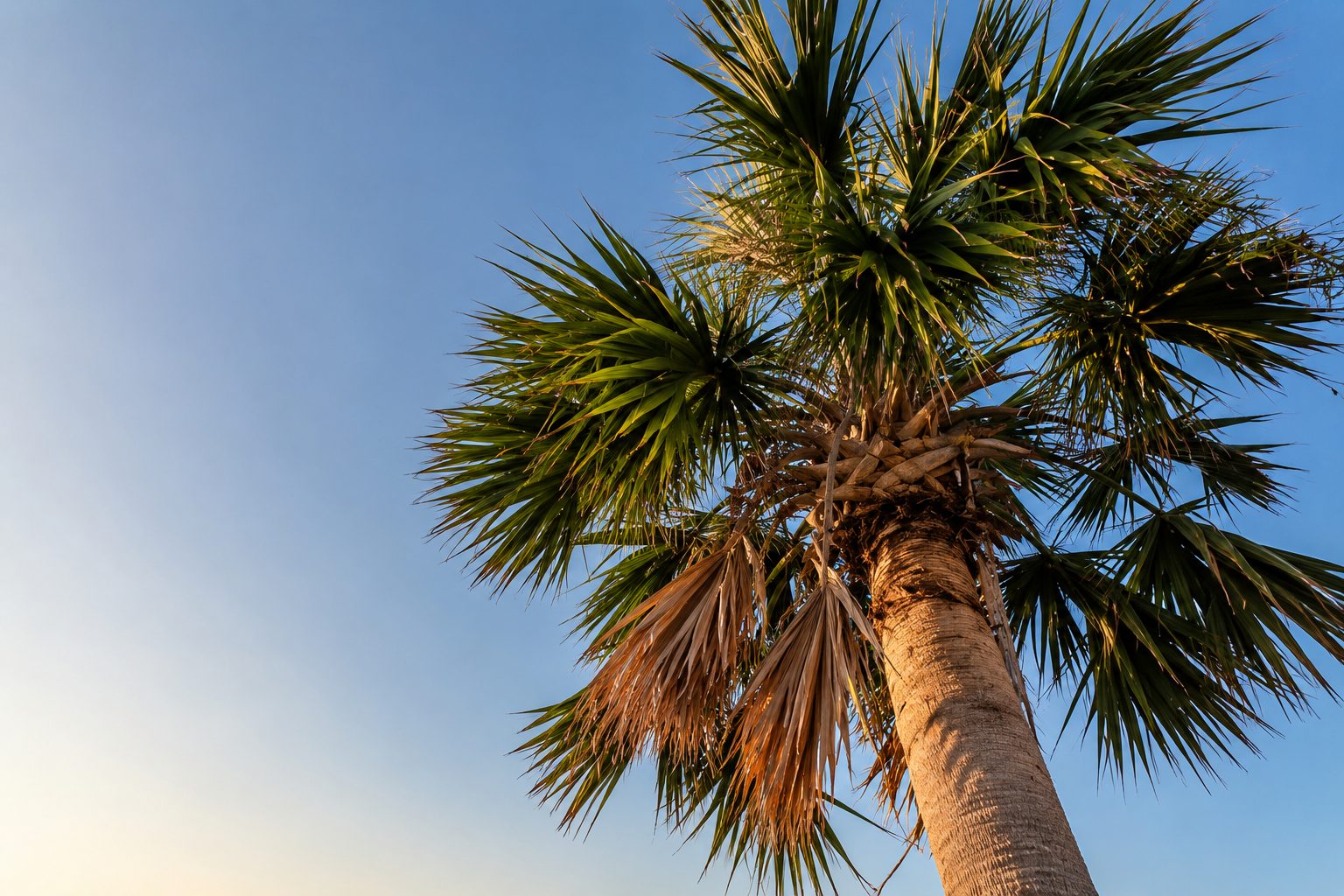
Nearly 200 palmetto trees are coming down in Charleston as Dominion Energy teams move in near overhead power lines. The city is pledging to plant five approved replacements for each tree felled. Work kicked off in the Eastside neighborhood. “These decisions don’t happen lightly,” said Mika Gadsden, who heads up sustainability for Charleston. Dominion spokesman Paul Fischer pointed to trees as the main culprit for outages throughout the company’s network. Live5News
That timing’s deliberate. With Gov. Henry McMaster naming May as South Carolina Hurricane Preparedness Month, state emergency officials are pressing both residents and businesses to get ready before the Atlantic season kicks in. Coastal exposure, flood-prone areas, and the state’s low-lying terrain all put power reliability front and center heading into hurricane season.
A tree toppled onto power lines near Highway 41 and Laurel Hill Park in Mount Pleasant on Thursday, knocking out electricity and temporarily darkening traffic signals. ABC News 4 said Dominion faced the task of getting power back for roughly 300 homes before service returned.
The initiative, dubbed “Right Tree, Right Place,” is a joint effort, according to a city-Dominion statement. It’s designed to fit within Dominion’s five-year vegetation management cycle, focusing on trees that pose safety issues in distribution rights-of-way—those utility corridors that distribute power locally—once they crest about 15 feet. Palmettos are a particular headache. They can’t be trimmed down or shaped away from lines, and moving any tree too close to live wires just isn’t safe. Holy City Sinner
Dominion’s tree-trimming guidelines point to vegetation touching overhead lines as a key source of outages and flickers. According to the company, trees and limbs top the list of outage causes across its network, and it cautions that energized lines—or anything in contact with them—can lead to severe injury or even death.
This isn’t only about Charleston’s city blocks. Dominion, which delivers regulated power to 3.6 million homes and businesses across Virginia, North Carolina, and South Carolina, has a bigger regional footprint. Just this week, 13News Now noted that workers in Norfolk were out trimming back trees and brush before hurricane season, a move aimed at reducing outages and safety risks.
When severe weather looms, utilities tend to follow familiar procedures. In January, Duke Energy—one of the main electricity suppliers in the Carolinas—announced that crews were out trimming trees and clearing vegetation in specific spots before Winter Storm Fern hit. The idea is to cut outage risk. For Duke and its peers, managing trees near their lines isn’t just about looks; it’s central to keeping the power on. ([Duke Energy Investors][7])
Dominion’s weather team is looking for a below-average 2026 Atlantic hurricane season—11 named storms, five hurricanes, just two expected to reach Category 3 or higher. Still, lead meteorologist Jeff Mock isn’t letting his guard down. “It only takes one storm” to make an impact in Dominion’s territory, he said. York County
Here’s the tradeoff: take out a mature palmetto and it disappears on the spot; put in replacements, and you’re looking at a wait. New trees need the right locations and some attention before they’ll offer anything close to the shade or look of what’s lost. The five-for-one commitment could bump up the total number of trees, but residents might not get the same canopy coverage where the originals stood.
The city now faces a hands-on challenge in the coming weeks: identify which trees will be removed, lay out reasons why pruning isn’t an option, and make replanting efforts obvious enough to address public concerns. Hurricane season doesn’t start for weeks, yet political debate around the tree work is already underway.
[7]: https://investors.duke-energy.com/news/news-details/2026/Winter-Storm-Fern-Duke-Energy-has-18000-workers-from-27-states-and-Canada-ready-to-respond/default.aspx “
Duke Energy Corporation – The company says more than 18,000 workers from 27 states and Canada stand by, set to respond as Winter Storm Fern hits.
“