MOSCOW, May 11, 2026, 20:11 (MSK)
- New clashes erupted between Russia and Ukraine with just hours left before the U.S.-brokered 72-hour truce was set to expire.
- Putin called the war “coming to an end,” though EU ministers pushed back, refusing his favored approach for talks with Europe.
- The disagreement hasn’t shifted—Moscow insists on claiming the entire Donbas, but Kyiv refuses to hand over the territory.
Despite the U.S.-brokered ceasefire set to expire, Russia and Ukraine kept battling on Monday, casting doubt on President Vladimir Putin’s weekend assertion that the conflict could soon be over. Each side blamed the other for fresh drone and artillery strikes, with clashes reported all along the roughly 1,200 km front.
The three-day pause from May 9 to May 11 was supposed to gauge whether U.S.-led diplomacy might put the brakes on Europe’s deadliest conflict since World War Two. But this latest truce exposed the old flaws: there was no trusted monitoring, no way to enforce the deal, and neither side appeared to pull back.
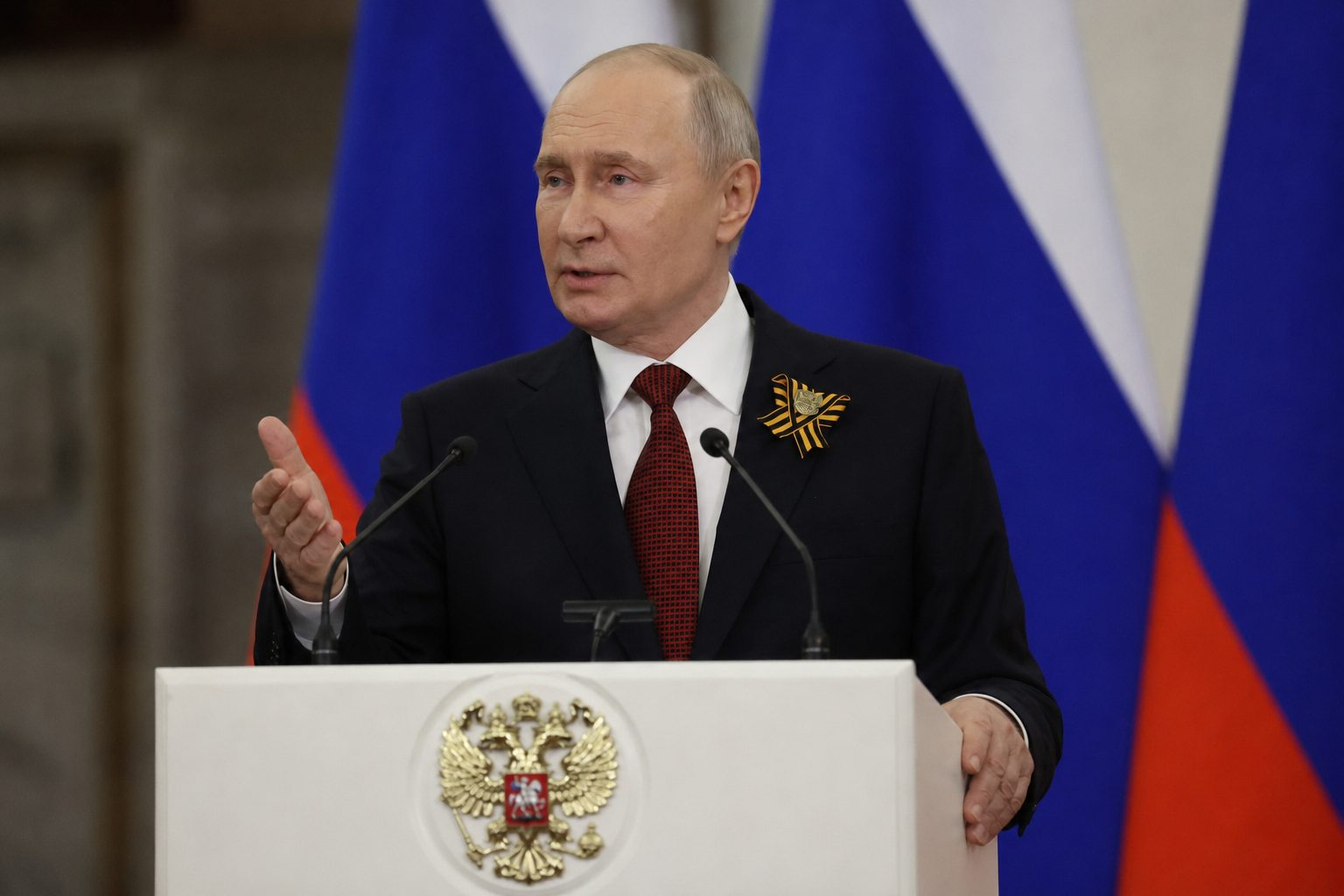
After Moscow’s Victory Day commemorations, Putin told reporters he thinks “the matter is coming to an end.” He also mentioned wanting talks on European security, and said he favors former German Chancellor Gerhard Schroeder as his choice for negotiations. The comments came just hours after Putin pledged victory during Russia’s most subdued Victory Day parade in years, according to Reuters. Reuters
The Kremlin’s message stopped short of a straightforward peace proposal. Putin, according to reports, stated he’d only sit down with Ukrainian President Volodymyr Zelenskyy once a deal had already been hammered out—casting any such meeting as “the final point,” not the actual forum for talks. The Guardian
Kyiv painted a bleaker picture over the weekend. Zelenskyy described a drop in major missile and air attacks from Russia, though he noted continuing pressure in critical areas. Ukraine’s General Staff counted 180 clashes on the battlefield in just the last day, and by Monday afternoon, another 38 Russian assaults had already been logged.
Citing state agencies, Russia’s Defence Ministry put the number of Ukrainian ceasefire violations since the start of the truce at 23,802. Russian forces, according to the ministry, hit back at rocket, artillery, and drone launch positions. On the Ukrainian side, regional officials reported three deaths in Zaporizhzhia and Kherson during the previous 24 hours. Over in Russia’s Belgorod region, officials said a Ukrainian strike left one person dead and three injured.
EU foreign ministers in Brussels wasted little time rejecting Putin’s attempt to float a new diplomatic channel. The suggestion that Schroeder—known for his years of connections to Russian state firms and his personal relationship with Putin—might represent Europe in future security negotiations was promptly shot down.
EU foreign policy chief Kaja Kallas didn’t mince words: “It’s clear why Putin wants him to be the person,” she told reporters, arguing that Schroeder would end up “sitting on both sides of the table.” Germany’s Europe minister, Gunther Krichbaum, went further, claiming Schroeder had “been heavily influenced by Mr Putin” and lacked the standing to serve as an “honest broker.” Reuters
Kallas described Putin as “in a weaker position that he has ever been before,” citing Russia’s losses on the battlefield and unrest within the country. Still, she noted, Moscow continues to push “maximalist claims.” That translates to demands so sweeping, the other side probably won’t go along. The Guardian
The stalemate centers on territory. Putin is after total control of the Donbas, the industrialized eastern region of Ukraine, but Russian troops haven’t taken the whole area; Zelenskyy refuses to hand it over. According to AP, a swap involving 1,000 prisoners from each side is in the works—a humanitarian move, but not a deal to end the conflict.
The Institute for the Study of War noted that while the ceasefire lowered the volume of military actions, it didn’t bring them to a halt. The group warned that in the absence of enforcement, monitoring, and mechanisms for settling disputes, such agreements are rarely durable. That’s shaping up as the key concern for the coming week: diplomatic talk could intensify, but what happens on the ground continues to dictate the outcome.
Competitive dynamics are changing. The United States remains out front in the peace initiative, though EU officials don’t want to lose relevance, and Ukraine is urging Europe to take on a bigger role next to Washington. Ukrainian Foreign Minister Andrii Sybiha described Europe’s potential contribution as complementary to U.S.-led negotiations, emphasizing work on “resolving concrete problems.” Reuters
Putin’s recent suggestion of winding down the Russia-Ukraine conflict has drawn closer inspection, but little actual movement. The fighting hasn’t stopped. Europe dismissed his chosen go-between, and both Moscow and Kyiv are sticking to their main positions.