FRANKFORT, Kentucky, May 8, 2026, 06:12 EDT
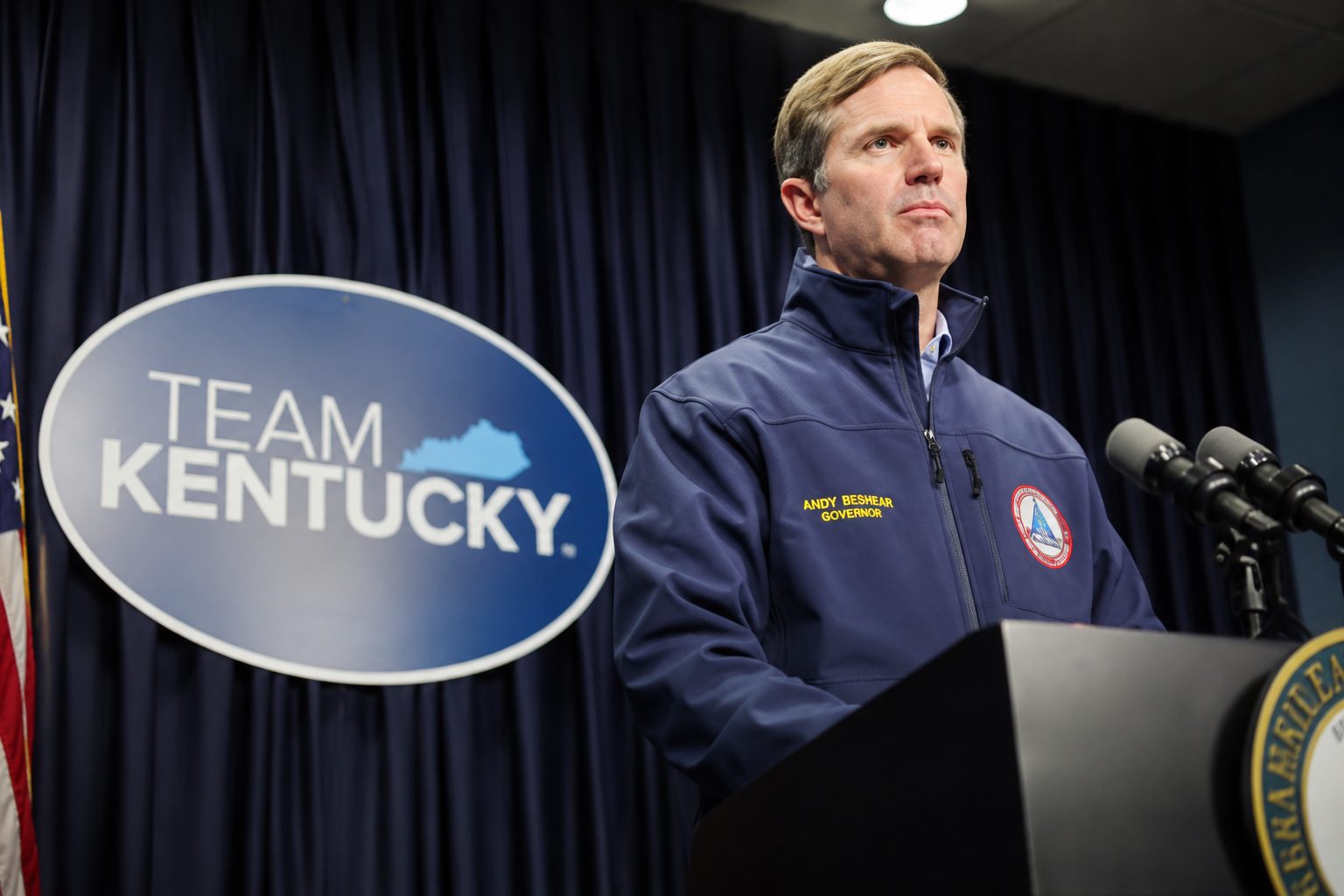
Gov. Andy Beshear of Kentucky has signed an executive order rolling out full-day pre-kindergarten pilots in Robertson and Rockcastle counties—an escalation in his ongoing dispute with Republican legislators who refused to bankroll his broader pre-K proposal.
The timing of the order is key. It puts to the test whether the Democratic governor can roll out early learning ahead of the 2026-27 school year by tapping into existing executive-branch funds, sidestepping the need for a fresh budget line from the General Assembly. Beshear pointed to workforce programs, saying his administration saw underused dollars there.
Beshear’s team is pitching the move as one piece of a larger child-care initiative. Two pilots are on deck: a Frankfort early learning center geared toward state executive-branch workers, plus an $850,000 grant to the Owensboro-Daviess County YMCA. Between the two, the governor’s office expects nearly 700 Kentucky kids will gain access to child care or early learning.
Pre-kindergarten, or pre-K, covers the years before kindergarten. Universal pre-K extends this to every child in a specific age bracket, regardless of income or disability status. According to LPM, the executive order sets up the pilot through the Education and Labor Cabinet, contracting with Robertson and Rockcastle to provide access to all 4-year-olds in those districts.
Robertson, the smallest county in the state, and rural Rockcastle both got the go-ahead from their school boards on Wednesday to launch pilot programs. Preschool classrooms are set to open in 2026-27. Superintendent Sanford Holbrook in Robertson County called preschool expansion a “no-brainer”—the county has zero child care, and the closest options are about 30 minutes out. WLKY
“Put a stop to the learning gap before it ever begins,” Rockcastle Superintendent Carrie Ballinger said. The message lands squarely with elementary teachers and parents juggling both remediation issues and childcare expenses. News From The States
The YMCA in Owensboro currently accommodates 90 kids, but that’s set to change. With an $850,000 grant, capacity should hit 161. WFIE reported Daviess County itself is slated to receive over $6 million total for child-care upgrades.
Kentucky still limits its public preschool program, which serves 4-year-olds from families earning less than 160% of the federal poverty line—a threshold for government benefits—and 3- and 4-year-olds with disabilities. Lawmakers left funding unchanged in the April budget at $84.5 million, enough for roughly 14,200 kids, according to LPM.
Politics are front and center here. Beshear requested $50 million over two years for expanded public pre-K, but lawmakers left that out of the April budget. On Thursday, he said he was moving forward anyway—“Kentucky’s kids deserve better.” Louisville Public Media
Still, the order might draw pushback on spending power and what gets prioritized. Senate President Robert Stivers, a Republican, called out “fundamental questions of governance and budgeting.” House Speaker David Osborne argued this just proves the administration can locate funding whenever there’s a push to grow government. News From The States
Republicans have flagged worries over spending, staffing issues, and if public offerings might edge out private providers. GOP Rep. Kim Banta, speaking in a February budget hearing, called the proposal “hard, expensive.” As for the price tag, Beshear did not spell out any numbers Thursday, according to LPM. Louisville Public Media
But Kentucky has carved out a reputation in one area of child-care policy. Beginning in 2022, the state made nearly all early childhood educators automatically qualify for child-care subsidies via the Child Care Assistance Program, or CCAP, covering part of their own child-care expenses. Other states—like Iowa, Maine, and Rhode Island—have rolled out similar benefits or pilot programs, according to The 74.
Policy experts pointed to staffing shortages as the main cap on available child-care seats, which is helping drive momentum for worker benefit programs. Diane Girouard of the National Association for the Education of Young Children described the benefit as “a really good workplace benefit.” Over in Kentucky, Sarah Vanover with Kentucky Youth Advocates said the policy has helped centers “open classrooms and keep staff.” The 74
Universal pre-K this isn’t. Lisa Hildebrand, who leads Rhode Island AEYC, described subsidy programs as useful, but said they’re “a little bit of Band-Aids.” Kentucky’s experiment in particular faces big tests: Can it draw enough workers, secure funding, and move past those two counties? The 74