COLNIZA, Brazil, May 13, 2026, 10:10 (UTC-04:00)
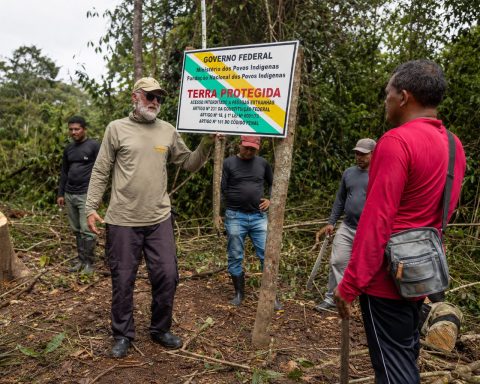
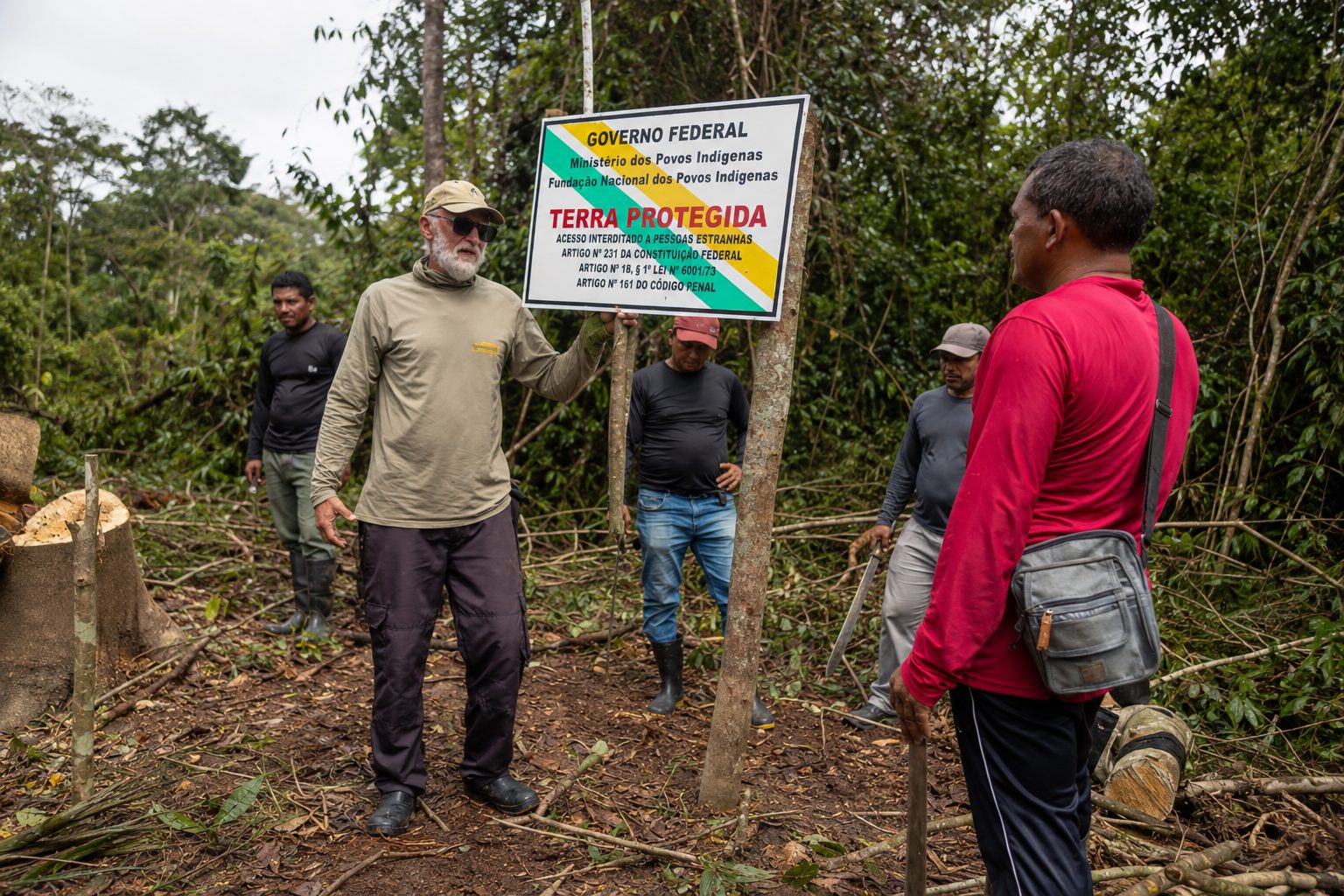
Brazil has begun physically marking the Pardo River Kawahiva Indigenous territory in the Amazon, moving a 27-year-old protection process from paper into the forest for one of the country’s most vulnerable uncontacted peoples. The work covers roughly 410,000 hectares in northwestern Brazil, after years of delay and legal pressure.
The timing matters because physical demarcation is harder to ignore than a legal map. It means survey work, georeferencing, boundary markers and signs that show where outsiders cannot enter, a basic shield against logging, cattle expansion, mining and land grabs.
The pressure is not abstract. Survival International warned that a road upgrade near the southern edge of the territory could draw more settlers and deforestation, while Brazil’s October presidential election could slow or halt new Indigenous land demarcations if policy changes after the vote.
The Federal University of Minas Gerais said its Institute of Geosciences will carry out the technical work under Funai supervision, with researchers led by cartographer Sónia Maria Carvalho Ribeiro. The project includes around 60 researchers, has a value of 5.5 million reais and is expected to run for one year and eight months.
The Kawahiva do Rio Pardo territory is in Colniza, Mato Grosso, and covers 411,844 hectares, according to Funai. Brazil’s Justice Ministry declared the land Indigenous territory in 2016, but the next stages — physical marking and eventual presidential homologation — were left hanging for years.
Funai president Lúcia Alberta Baré told the Guardian the agency was planning buffer zones around the territory to reduce damage along its edges. She said Indigenous land protection must be state policy, with “no backsliding” after any change of government. The Guardian
Caroline Pearce, Survival International’s director, called the start of demarcation “a huge step” but said the process had become a “race against time.” The group said the Kawahiva have long faced armed loggers, ranchers and land grabbers around their forest home. Survival International
Jair Candor, the veteran Funai official who heads the Kawahiva protection unit, was quoted by Survival as saying he had waited 26 years for this moment. “We haven’t won the war,” he said, “but at least we’ve won another battle.” Survival International
Funai said monitoring in July 2024 confirmed the presence of isolated people in the Kawahiva territory through footprints, honey-gathering traces, utensils and signs of children. The agency said its policy is non-contact — observing from a distance to avoid forcing interaction or exposing isolated groups to violence or disease.
But the process remains exposed. The Guardian reported legal challenges from agribusiness-linked groups, while Indigenous leaders warned that Funai staff, police and geodetic markers — fixed reference points used to mark boundaries — will need protection in a region with a record of rural violence.
The Kawahiva case is also being watched against other isolated-peoples territories. Campaigners cited Piripkura, Ituna-Itatá and Jacareúba-Katawixi as areas where protection efforts should accelerate, while Funai’s own monitoring work points to Massaco in Rondônia as a demarcated territory used for comparison in isolated-peoples policy.
For now, the stakes are narrow and immediate: markers in the ground, patrols that can hold the line, and a final presidential signature still needed to complete legal recognition. Without that, the Kawahiva remain protected by a process that has started at last, but is not finished.