Paradise Valley, Arizona—It’s May 8, 2026, 11:07 MST.
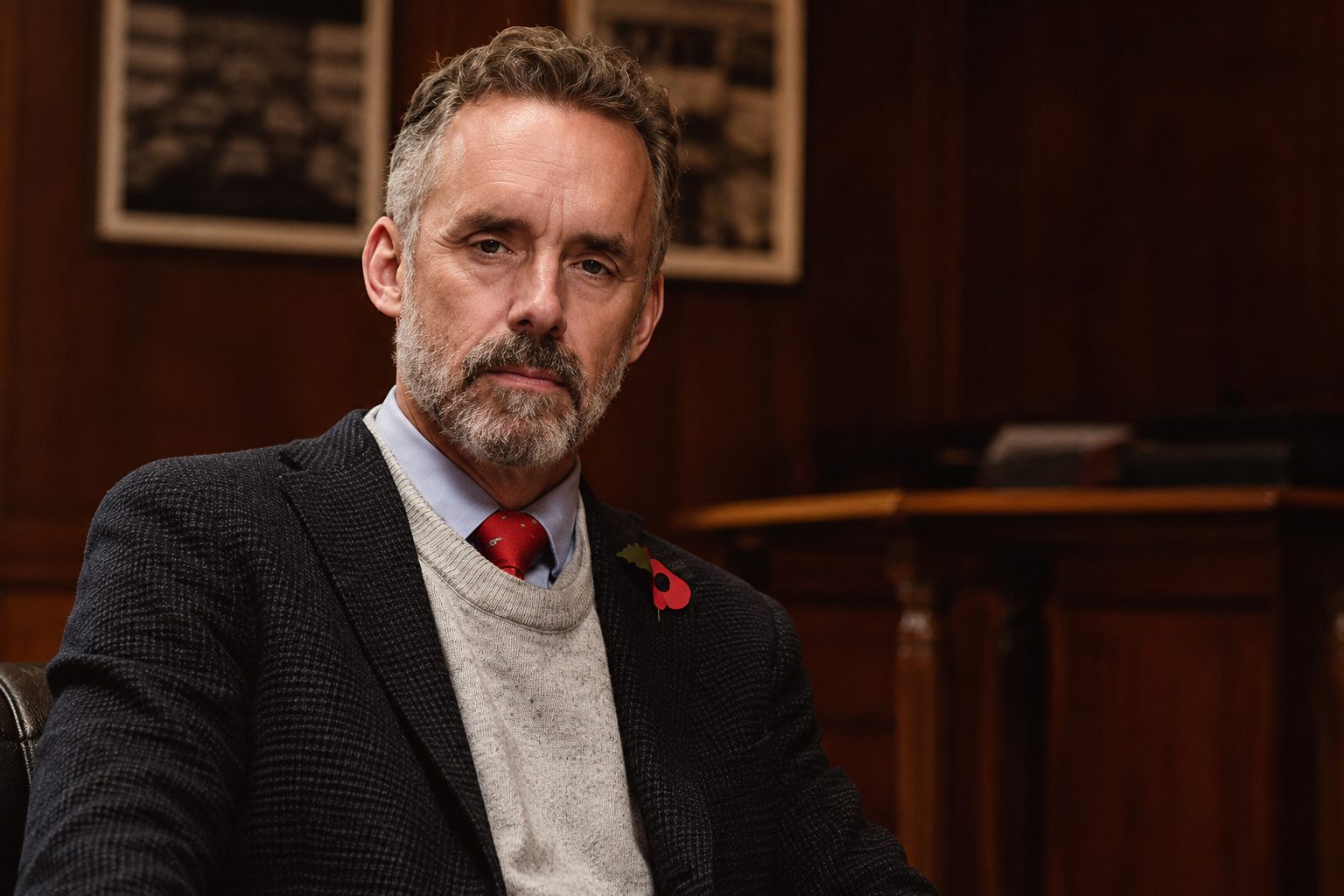
Jordan Peterson is still out of the public eye as he deals with what his family calls a neurological injury tied to medication, his wife told the New York Post. Peterson, 63, is in “another realm of pain,” Tammy Peterson said. According to Fox News, Peterson did not reply to a request for comment. No timeline has been set for his return to public life.
The account’s not just a personal health chronicle anymore. Peterson’s illness is now a battleground—psychiatric-drug withdrawal, akathisia, and, lately, questions about pricey wellness therapies sold beyond standard medical circles have all come into play.
Mikhaila Peterson, his daughter, said back in April that the family believes he suffered a “psych med induced neurological injury” and akathisia. According to her, those symptoms appeared last summer, following what she called a mold-related CIRS flare-up, stress, and later, pneumonia. CIRS refers to chronic inflammatory response syndrome—a condition the family attributes to mold exposure, though Peterson’s medical records remain private. X (formerly Twitter)
Akathisia brings a powerful sense of inner restlessness, and many people find it nearly impossible to keep their legs still. According to Cleveland Clinic, it’s seen most frequently with antipsychotic medications, but other drugs and some medical conditions can also trigger it.
Benzodiazepines—sedatives prescribed for anxiety, insomnia, and similar issues—are associated with well-documented withdrawal risks. The U.S. Food and Drug Administration cautions that suddenly discontinuing these drugs or slashing the dose too fast can trigger withdrawal symptoms such as seizures, advising that any taper should happen slowly and be tailored to each patient.
The New York Post says Peterson took Klonopin—clonazepam—while Tammy Peterson was diagnosed with cancer in 2019, later seeking treatment for benzodiazepine dependence. The paper also notes the family resides in Paradise Valley, Arizona, and Peterson isn’t expected to return to public life right away.
The bigger fight centers on whether stem-cell therapy or other biohacking played a role in his health collapse. Tammy Peterson pushed back, insisting his sepsis began after ICU care in Switzerland and not due to stem-cell treatment. Eterna Health—named in the Post’s piece and associated with Dr. Adeel Khan—issued a denial as well, saying no sepsis cases were linked to their clinical setting or biologic products. On the other side, Dr. Jesse Morse, a Florida stem-cell physician who’s openly critical of Khan, told the Post that using intravenous products not cleared by the FDA is “playing with fire.” New York Post
The public record, though, is still sparse. Accounts from the family diverge from outside speculation, with no independent clinical review out yet linking Peterson’s situation to a specific medicine, exposure, or treatment. That’s really the core risk here: a single severe case easily turns into ammo for whichever argument readers are inclined toward.
Peterson’s absence is notable, given his outsized business and media presence. On his website, he’s listed as a University of Toronto professor emeritus, podcast host, and author of Maps of Meaning, 12 Rules for Life, and Beyond Order—with reported book sales topping 7 million.
No schedule yet. According to his family, he misses the back-and-forth of public debate—still, that doesn’t count as an actual plan to come back. For someone known for constant argument and productivity, the real news is just how absent any roadmap is.