Washington, May 12, 2026, 17:21 EDT
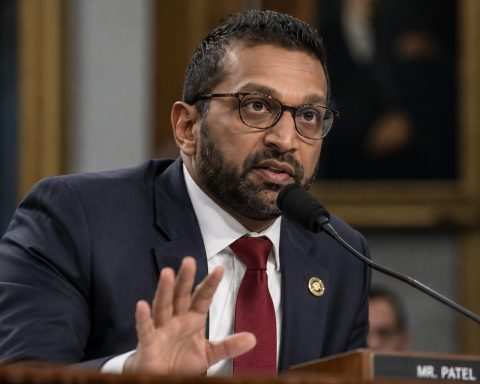
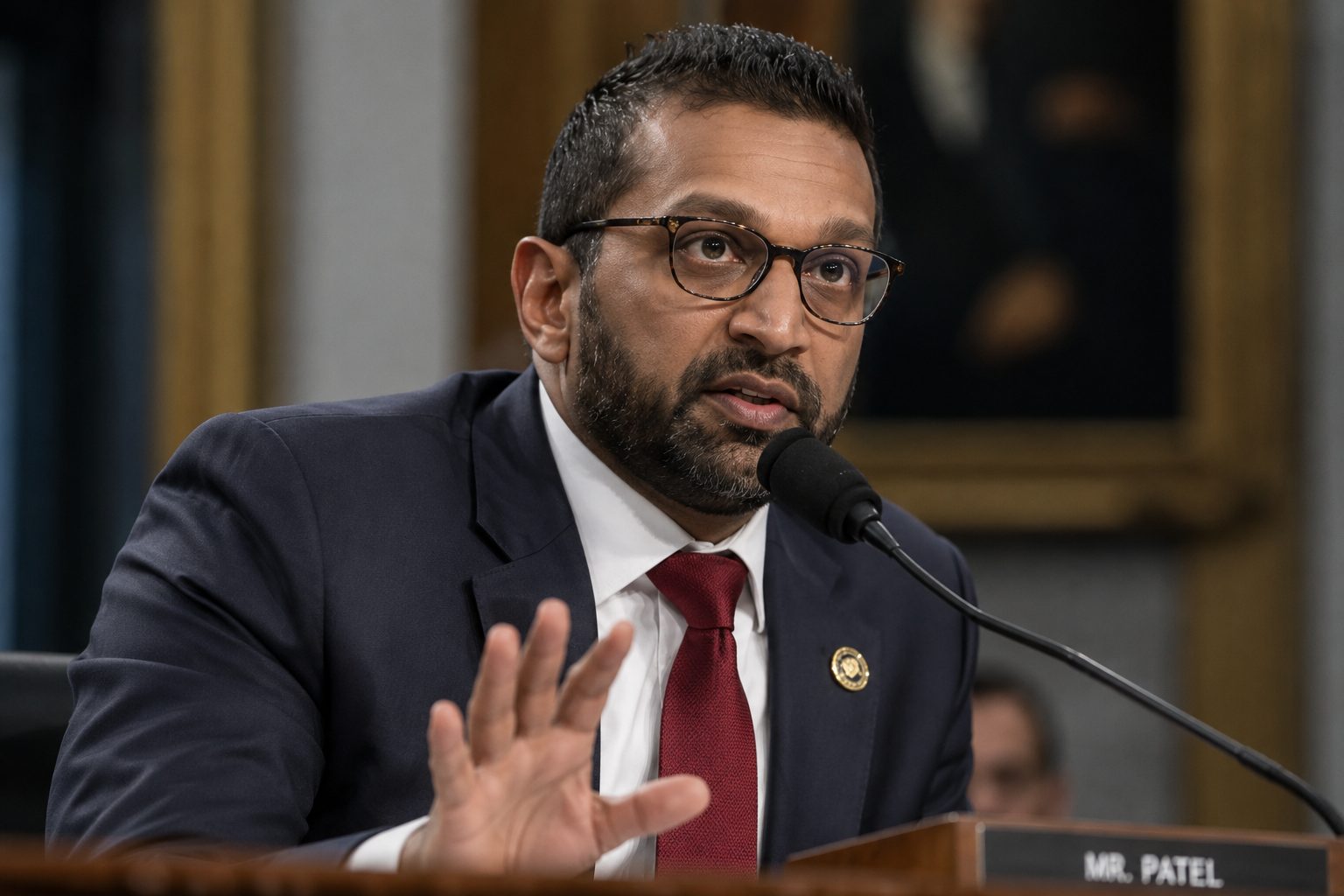
FBI Director Kash Patel pushed back hard Tuesday against accusations of heavy drinking and missed work, firing off a blunt denial during a heated exchange with Sen. Chris Van Hollen at a Senate budget hearing. “Unequivocally, categorically false,” Patel shot back, after Van Hollen cited recent stories questioning his handling of the bureau. AP News
The timing is key here. Patel wasn’t only there to answer questions—he needed senators to support the FBI’s fiscal 2027 budget request: $12.53 billion, with roughly 3,200 extra positions and close to 1,300 more special agents in the mix.
The result: the fight landed squarely in Congress’s appropriations process—the annual scramble over agency funding. Senators also got a look at 2027 budget plans from the Drug Enforcement Administration, U.S. Marshals Service, and Bureau of Alcohol, Tobacco, Firearms and Explosives. That gave lawmakers a wider law-enforcement funding lineup to consider.
Van Hollen, who heads up the Democrats on the Senate Appropriations subcommittee, didn’t mince words—calling the situation at the FBI “anything but normal.” He insisted reports surfacing about Patel’s behavior had to be weighed as the bureau was asking for more taxpayer funds. According to ABC News, Van Hollen flagged not just alleged misuse of FBI resources but also The Atlantic’s reporting on drinking and job performance concerns. ABC News
Patel didn’t hold back. Pressed on claims of heavy drinking, he dismissed the allegations as a “total farce.” He also lobbed an unsubstantiated accusation at Van Hollen, claiming the senator was “slinging margaritas” with Kilmar Abrego Garcia in El Salvador last year. ABC News
Van Hollen pushed back on that version. According to ABC, the senator insisted Salvadoran officials put the glasses on the table—neither he nor Abrego Garcia touched them, he said, referencing meeting photos.
The dispute traces back to an April piece in The Atlantic, which quoted over two dozen unnamed sources describing alleged concerns about Patel’s actions within both the FBI and Justice Department. Patel responded by filing a $250 million defamation suit against The Atlantic and reporter Sarah Fitzpatrick, claiming the story made false statements that hurt his reputation. The Atlantic says it’s standing behind its work. Reuters, for its part, reported it could not independently verify the details in The Atlantic’s article.
“The Atlantic’s story is a lie,” Patel said to Reuters. The magazine, for its part, pushed back, calling the suit “meritless” and vowing to defend itself. Deanna Shullman, a media attorney at Shullman Fugate PLLC, told Reuters it’s a “heavy hill to climb” for public figures who need to show actual malice—that is, proving a publisher knowingly lied or disregarded clear doubts about the facts. Reuters
Patel’s written testimony lays out the FBI’s pitch: $311.7 million and 686 jobs to tackle violent crime; $166.1 million and 328 more for terrorism; $95.6 million plus 152 positions earmarked for cyber threats; and $73.2 million, with 154 slots, aimed at counterintelligence. All told, the bureau is tying its funding request directly to its core priorities—violent crime, counterterrorism, cyber, and counterintelligence.
Questions turned to bureau leak probes. According to The Guardian, Patel said he hadn’t directly ordered polygraph tests — those are lie-detector exams — for staff. He added that internal leak investigations were run by career intelligence and law enforcement officials.
Patel faces a problem: Tuesday’s clash might not close the book. If the lawsuit makes it past initial hurdles, legal discovery could keep the claims in the spotlight. Even if the case loses steam, Democrats now have a new oversight angle as Congress considers the FBI’s funding pitch.