Washington, May 6, 2026, 07:16 (EDT)
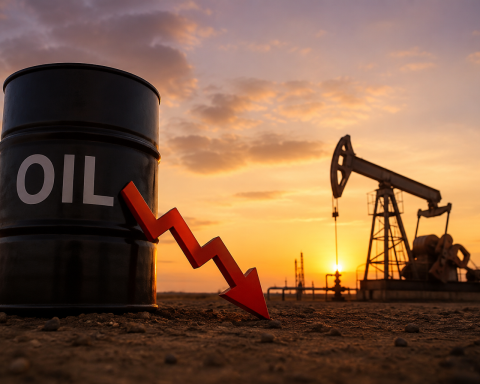
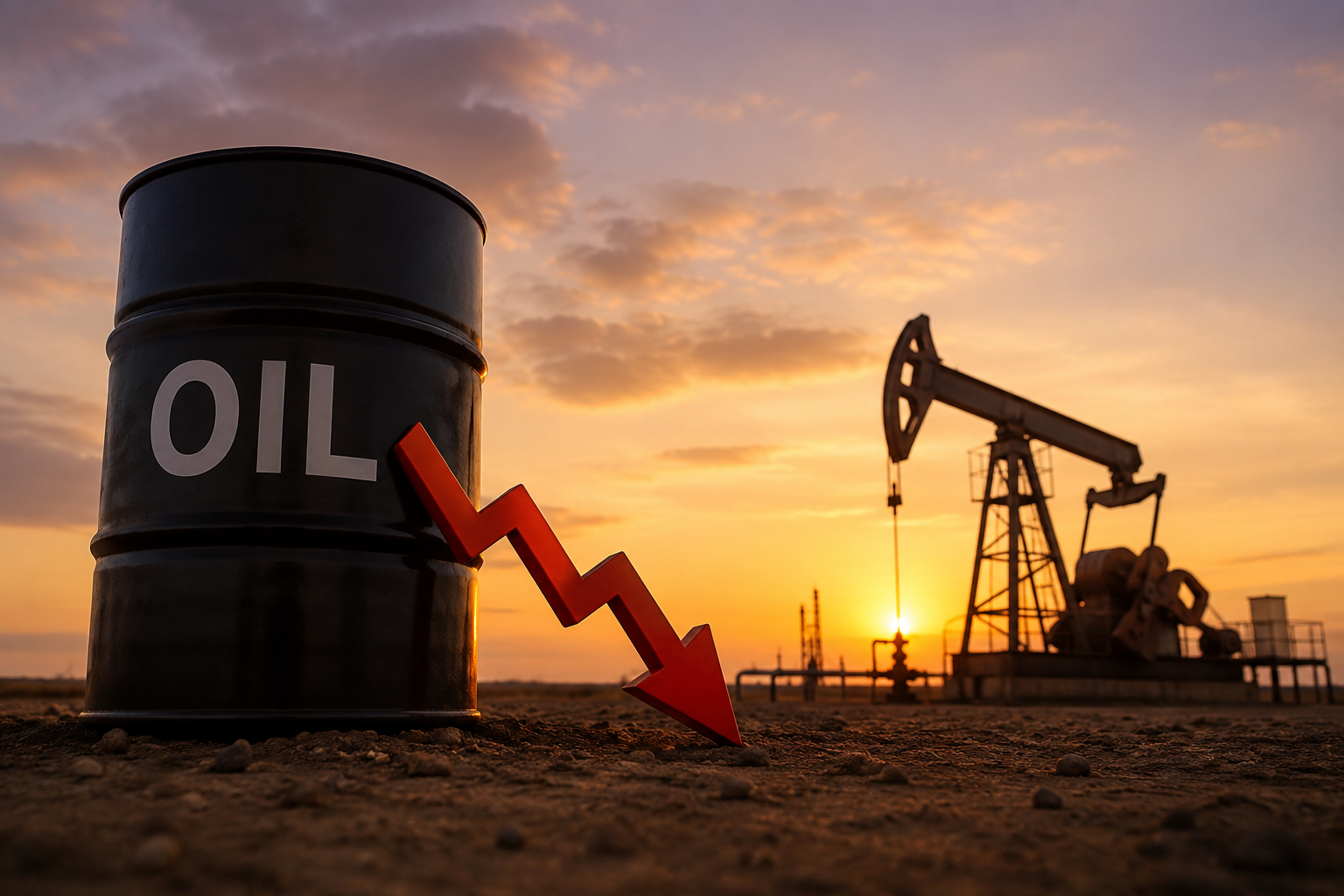
Brent crude fell below $100 a barrel on Wednesday after President Donald Trump paused the U.S. “Project Freedom” effort in the Strait of Hormuz and reports of progress toward a U.S.-Iran framework deal lifted hopes that the war could be nearing a turn. The global benchmark was trading about 9% lower at $99.79 a barrel in the latest Guardian market update. The Guardian
The move matters because Hormuz is not just another shipping lane. The International Energy Agency says about 20 million barrels a day of crude oil and oil products moved through the strait in 2025, around a quarter of world seaborne oil trade, with only limited pipeline capacity to bypass it.
Markets moved fast. Europe’s STOXX 600 rose 2.1%, MSCI’s all-country index hit a record and S&P 500 futures climbed 0.7%, while the dollar fell as investors priced in a lower risk premium for energy and inflation. Chris Turner, head of global markets at ING, said equity investors were “jumping on positive-sounding news from the Gulf.” Reuters
Trump said he would pause Project Freedom, the short-lived U.S. effort to guide vessels out of Hormuz, while still keeping a blockade on vessels leaving Iranian ports. Secretary of State Marco Rubio said the offensive stage of “Operation Epic Fury” was over, but described remaining U.S. action in the strait as defensive: “There’s no shooting unless we’re shot at first.” The Guardian
The draft under discussion is a one-page, 14-point memorandum of understanding, Reuters reported, citing Axios. It would include an Iranian moratorium on nuclear enrichment — the process of raising the share of fissile uranium, usable in reactors or at higher levels in weapons — along with U.S. sanctions relief, the release of frozen Iranian funds and a 30-day period for detailed talks. Nothing has been agreed, and Washington expects Iranian responses on several points within 48 hours, the report said.
Diplomacy also moved through Beijing. Iranian Foreign Minister Abbas Araghchi met Chinese Foreign Minister Wang Yi, who said a comprehensive ceasefire was urgently needed after more than two months of war. China’s ties to Tehran give it leverage as Washington presses for Iran to loosen its grip on the strait.
Shipping remains exposed. CMA CGM said its San Antonio container ship was attacked while transiting Hormuz on Tuesday, injuring crew members and damaging the vessel. The French group, the world’s third-largest container shipping line, said 14 of its vessels were stranded in the Gulf at the start of the war.
The oil selloff had already started before the latest break below $100. Reuters reported earlier that Brent was down $6.70, or 6.1%, at $103.17 by 0856 GMT, while U.S. West Texas Intermediate fell $6.77, or 6.6%, to $95.50, putting both contracts on track for their biggest daily falls since mid-April.
But a pause is not a reopening. Chevron Chief Executive Mike Wirth warned this week that physical shortages would appear if the Hormuz closure endured, saying surplus supply, shadow-fleet tankers and strategic reserves were being absorbed. “Demand needs to move to meet supply,” he said. “Economies are going to have to slow.” Reuters
The broader risk is not limited to oil. UN Trade and Development has warned that disruption in the strait can lift energy, fertilizer, freight and insurance costs, feeding food prices and adding pressure on developing economies already facing tight budgets.
For now, traders are buying the first sign of a path out. The harder part is still ahead: turning a reported draft into a signed agreement, getting ships moving again, and doing it without another exchange of fire in the world’s most watched oil chokepoint.