LOUISVILLE, May 7, 2026, 1:08 PM EDT
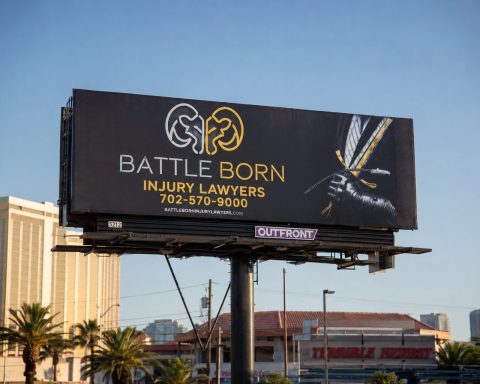
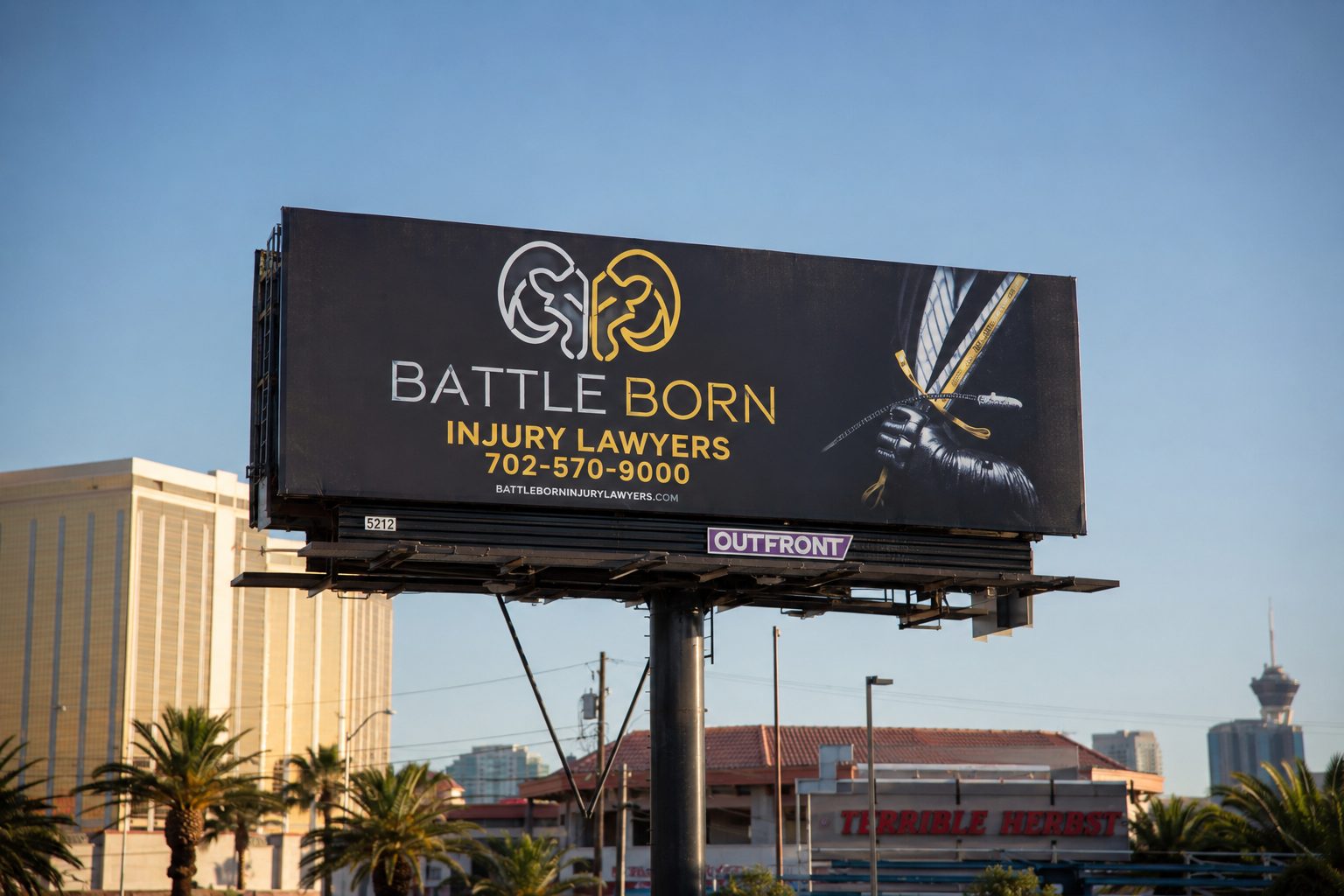
Louisville attorney Sam Aguiar has poured upwards of $500,000 into roughly 60 motivational billboards—aiming to soften the image of a personal-injury ad space now mired in expensive legal battles over auto-injury claims. Aguiar, who’s been practicing law since 2008, told WAVE he launched the campaign in December 2024, opting for messages like “Believe in yourself” and “Stay strong.” The effort has drawn more than 2,000 inquiries so far. Wave3
The timing is significant: “billboard lawyers” have moved beyond just being a local advertising presence. There’s a constitutional amendment in play—Initiative 25-0022A1—currently on California’s Secretary of State roster. It targets limits on how much automobile accident victims can recover for medical costs and attorneys’ fees. The measure has already crossed 25% of the required signatures, with a circulation cut-off set for June 8. Total needed: 874,641 signatures. California Secretary of State
It’s not just legal trade groups in the mix anymore. According to the San Francisco Standard, Uber stands as the only contributor to its California campaign committee, putting up more than $77.5 million. Campaign spokesperson Nathan Click said the measure “prioritizes victims over billboard lawyers.” For Matthew Wansley, a professor at Cardozo School of Law, the core debate is about tort liability—the obligation to pay for harm caused by wrongful acts—which, he points out, “creates a deterrent.”
The amendment on the table would force auto-accident victims to keep no less than 75% of whatever money they recover, but leaves defendants free to pay their lawyers as they wish. Other changes: higher burden of proof, new caps on specific medical reimbursements, plus a ban on certain financial deals linking plaintiffs’ attorneys with medical providers.
A state fiscal assessment estimates the proposal could shave millions—possibly tens of millions—off trial-court expenses each year, mainly as fewer motor-vehicle accident cases hit the docket. That assessment also flagged a risk: Medi-Cal, California’s Medicaid program, might see higher costs if injury victims don’t secure compensation. It further pointed to the use of medical liens, where healthcare providers offer treatment upfront and later try to collect from any settlement or court award.
Critics argue the measure would limit the ability of crash victims to get legal representation in major cases. Stanford Law’s Nora Engstrom called the proposal’s simple message “bumper sticker quality” in comments to CalMatters. Doug Saeltzer, Consumer Attorneys of California president, claimed Uber had a hand in drafting it specifically to “keep victims from finding attorneys.” CalMatters
Personal-injury lawyers are facing pushback beyond the usual campaign channels. In a CalMatters op-ed, Tracy Mulholland, a teacher from Southern California, recounted what she saw as a minor car accident spiraling into a claim against her insurance. She argued lawyers and medical providers—imaging centers, chiropractors, doctors—stand to benefit from driving up soft-tissue injury claims. Her story was anecdotal, not pulled from any legal proceeding.
Last week, the Wall Street Journal Opinion section zoomed out to a national lens, featuring University of Chicago Law’s M. Todd Henderson. His take: “most auto injury claims” don’t need a lawyer for a fair settlement. Henderson, the Michael J. Marks Professor of Law, focuses on law and economics at the University of Chicago Law School. Wall Street Journal
Uber has been pushing insurance reform as a business priority. In its proxy filing, the company pointed to progress on lowering insurance costs via “insurance reform advocacy efforts” like California’s SB 371, and noted those initiatives factor into its 2025 short-term incentive program. Uber also reported more than 25 autonomous-vehicle partners and live Mobility rollouts across seven cities. With Waymo operations launching in both Austin and Atlanta, Uber is tying its legal battle directly to the growing risk landscape as ride-hailing and robotaxi markets start overlapping. SEC
Politics here isn’t one-way traffic. That 75% retention rule? It’s easy to pitch as a win for consumers. Trickier is whether fee limits push lawyers away from tough, high-cost cases—think heavy medical bills, or messy fault fights. Uber wants voters focused on fee control. Opponents hope people view it as a barrier to getting into court.
Aguiar notes the Louisville signs barely resemble legal ads, which is exactly why they catch the eye — and it’s also what’s making things tricky for the legal industry. Some billboards urge drivers to just keep moving. In California, campaign flyers and TV commercials could end up shaping how much sway those lawyers actually wield after an accident.