PORTLAND, Ore., May 5, 2026, 05:21 PDT
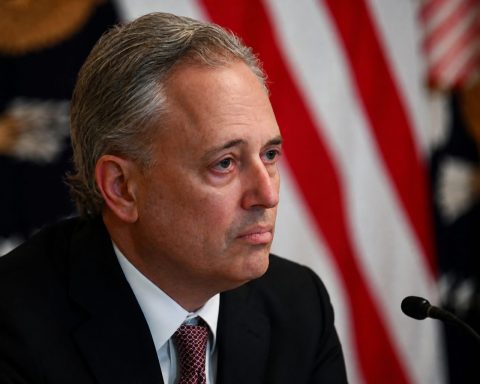
Peter Thiel led a $140 million Series B for Panthalassa, a Portland, Oregon-based ocean-energy company, to build wave-powered computing nodes that run artificial intelligence work at sea, the company said. The money will help finish a pilot manufacturing facility near Portland and speed deployment of its Ocean-3 systems in the northern Pacific; Thiel said Panthalassa had “opened the ocean frontier.” ( [1])
The timing is the story. The International Energy Agency said data-center electricity use grew 17% in 2025, while AI-focused data centers rose 50%, and it expects overall data-center demand to roughly double to 950 terawatt-hours, a measure of electricity use, by 2030. IEA Executive Director Fatih Birol put it bluntly: “there is no AI without energy.” ( [2])
That pressure has pushed investors to fund stranger sources of compute and power. Panthalassa’s pitch is not to move ocean electricity back to land, but to put the chips where the waves are, using the middle of the ocean as both power source and cooling system. The company says it is building a clean-energy platform “to power compute and more.” ( [3])
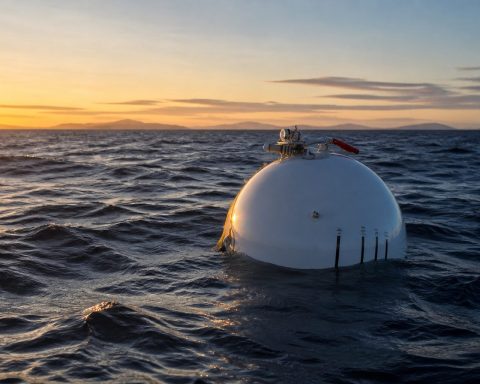
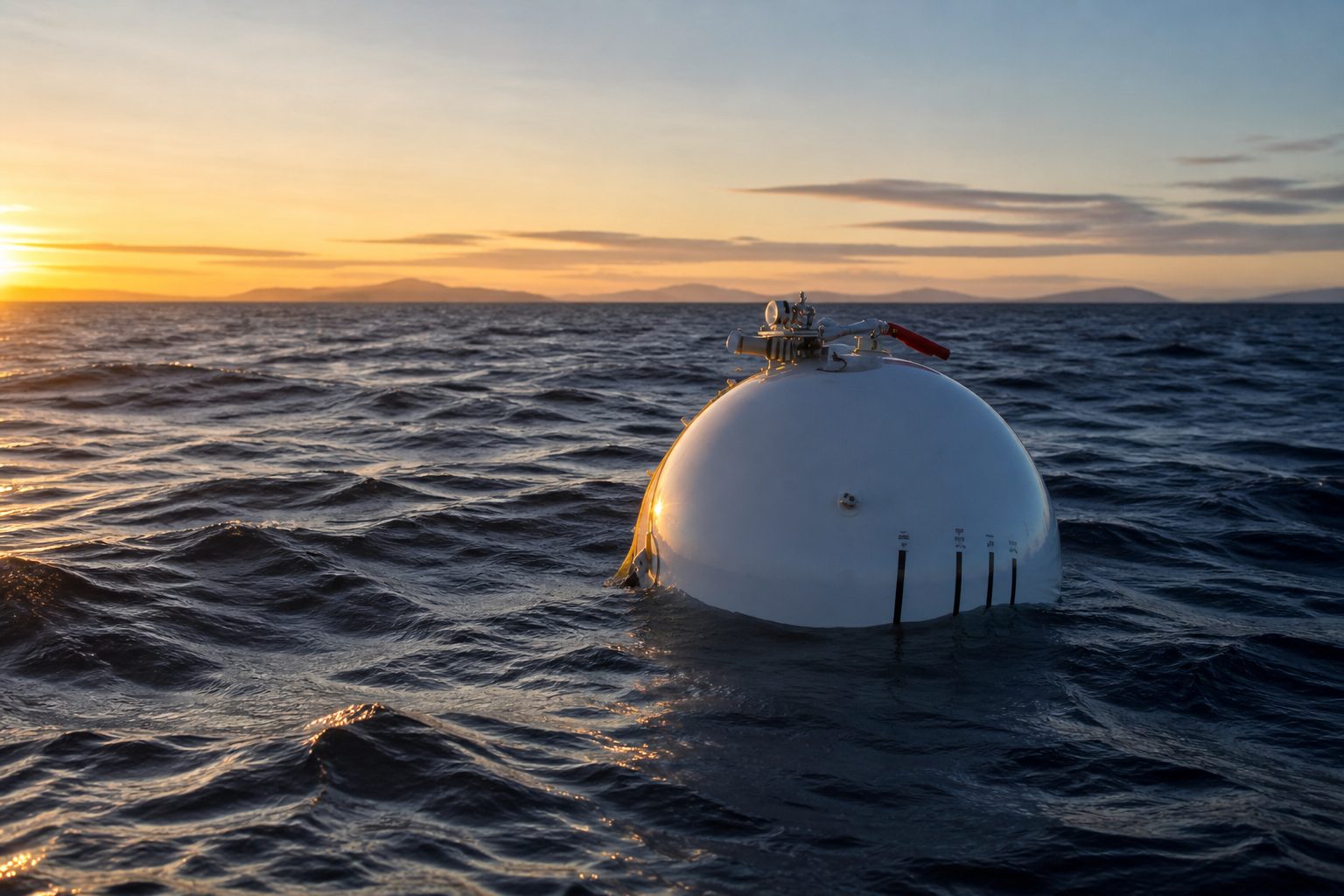
The Ocean-3 nodes are autonomous steel floating systems that operate in high-energy wave regions. They are intended to perform AI inference — the use of an already trained model to produce answers — while the surrounding ocean provides cooling, one of the major costs and engineering constraints for land-based data centers. ( [4])
The Financial Times reported the deal values Panthalassa at close to $1 billion. That puts a rich price on a company moving from prototypes into manufacturing, and it raises the bar for a technology that still has to prove it can operate reliably, far offshore, at commercial scale. ( [5])
The investor list included John Doerr, Marc Benioff’s TIME Ventures, Max Levchin’s SciFi Ventures, Susquehanna Sustainable Investments, Fortescue Ventures and Super Micro Computer, alongside returning backers including Founders Fund, Gigascale Capital and Lowercarbon Capital. Garth Sheldon-Coulson, Panthalassa’s co-founder and chief executive, said the company was ready to “build factories, deploy fleets”; Doerr called the system a “triple win.” ( [6])
Panthalassa is not alone in trying to move AI infrastructure away from crowded land grids. GeekWire noted Redmond, Washington-based Starcloud raised $170 million in March for space-based data-center plans, while regional wave-energy peers include Seattle’s Oscilla Power and Oregon State University spinout C-Power. ( [7])
But the ocean is the hard part. Saltwater corrosion, biofouling — marine growth on equipment — storm damage and satellite-link delays could raise costs or limit which AI jobs can run offshore; repairs far from shore would be slow and expensive. ( [8])
The first test is now practical, not conceptual. Panthalassa has tested earlier Ocean-1, Ocean-2 and Wavehopper prototypes, and plans to deploy Ocean-3 units in the northern Pacific in 2026 before a broader commercial rollout in 2027. If it works, the company sells compute without asking for a new substation. If it misses, AI developers will keep hunting for power on land. ( [9])
References
1. www.businesswire.com, 2. www.iea.org, 3. panthalassa.com, 4. www.citybiz.co, 5. www.ft.com, 6. www.esgtoday.com, 7. www.geekwire.com, 8. www.techradar.com, 9. www.techspot.com