New York, May 8, 2026, 10:11 (EDT)
Roundhill Memory ETF is emerging as the standout U.S. play on AI memory, after CNBC reported the five-week-old fund pulled in $1 billion in just one session. Over at Yahoo Finance, a Bloomberg piece pegged its assets at roughly $3.3 billion as of Tuesday. The exchange-traded fund, trading under the ticker DRAM, bundles multiple securities into a single stock-like product.
The scramble is significant: memory chips, once a niche semiconductor play, now present a choke point for the rollout of AI data centers. According to Reuters, SK Hynix is fielding a wave of offers from major global tech players eager to back new production lines and help cover the hefty costs of chipmaking equipment, all in an effort to lock down supply.
It’s not just Wall Street feeling the pinch. Nintendo and Sony each pointed to soaring memory costs on Friday, while Reuters noted that memory chip prices have already doubled in the first quarter. Now, the forecast calls for another jump—up to 63% this quarter—as AI data-center demand continues to squeeze out supply for the rest of the electronics market.
Early Friday, DRAM changed hands at $50.57, climbing $4.02 from where it finished the previous session. Shares of Micron Technology, a major U.S. memory name, advanced as well. Broader chip funds—VanEck Semiconductor ETF and iShares Semiconductor ETF—were up, too, pointing to momentum that extended beyond any single new fund.
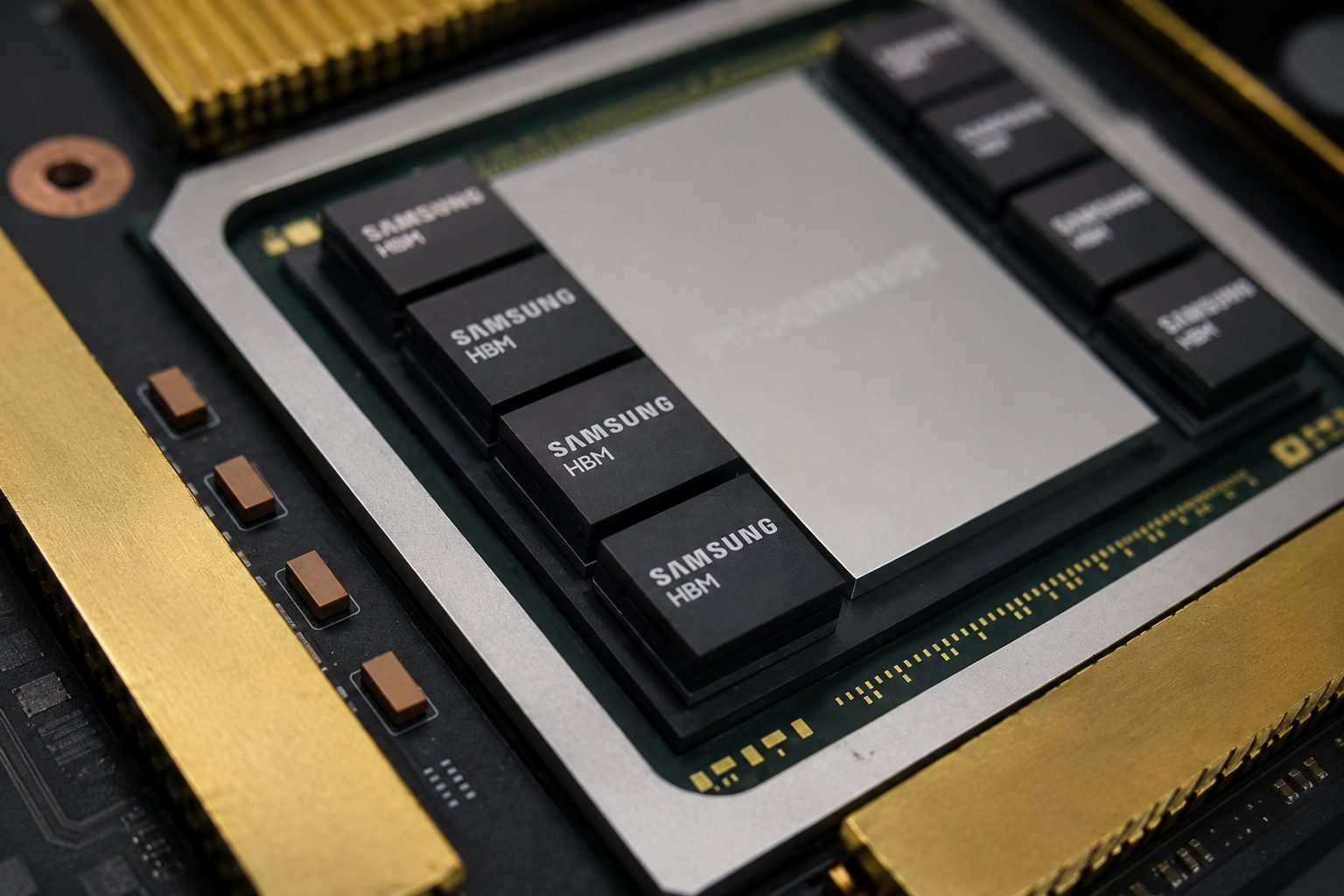
Roundhill brought DRAM to market on April 2 on Cboe BZX, touting it as the first U.S.-listed ETF zeroing in on global memory semiconductor players. The fund’s portfolio leans into companies tied to HBM—high-bandwidth memory—stacked chips that sit next to AI processors for rapid data transfer, plus DRAM working memory and NAND storage.
Back in April, Roundhill reported its DRAM ETF blew past $1 billion in AUM just 10 trading days after launch. Daily trading volume averaged $213 million, and the fund was seeing over 11,000 options contracts traded each day. “The memory sector sits at the critical intersection of AI demand and constrained supply,” said CEO Dave Mazza, who noted the fund aims to give U.S. investors better access to this space. PR Newswire
Todd Rosenbluth, head of research at VettaFi, described DRAM as “one of the most successful ETF launches in history,” according to InvestmentNews last month. Rapid asset growth like this doesn’t happen often, he said, unless there’s either a major investor right out of the gate or strong pent-up demand—something spot bitcoin ETFs have seen as well. InvestmentNews
Eric Balchunas, an ETF analyst at Bloomberg, called DRAM “basically the $IBIT of thematic equity ETFs”—a nod to BlackRock’s iShares Bitcoin Trust, which has been one of the most high-profile ETF debuts lately. He’s talking about launch velocity here, not asset mix: DRAM bets on memory-chip stocks. IBIT, on the other hand, sticks to bitcoin. Yahoo Finance
Pullbacks in the fund haven’t lasted long. According to TipRanks, DRAM had climbed 45.64% since it started trading, and jumped 27.73% in just the last five days before slipping 2.03% on Thursday—a move TipRanks characterized as a potential buy window for anyone eyeing the memory sector.
The options for investors looking for memory sector exposure have always been limited. Prior to DRAM, you either bought Micron shares, picked up something like the iShares MSCI South Korea ETF, or turned to broader semiconductor plays such as SMH or SOXX—where memory firms make up just a slice of the portfolio. Mazza told Benzinga that keeping DRAM’s portfolio focused was a deliberate move, pointing out the “global memory market is concentrated.” Benzinga
But that setup also ratchets up risk. Roundhill’s disclosures note volatility in memory stocks, the ETF’s brief track record, its lack of diversification, substantial exposure to South Korea, and potential use of swaps—each raising counterparty and valuation risk. Any slump in memory prices, pushback in AI demand, or a quick supply ramp would sting this focused fund more than a broad chip ETF.
Investors are still betting that the shortage sticks. TrendForce reported this week that robust AI and server appetite is pushing memory contract prices higher, while spot prices — chips for quick delivery — continue to lag behind. That gap highlights the trade’s main risk: DRAM bulls are leaning on the idea that the shortfall is permanent, not just a typical hot streak in the memory cycle.