Washington—It’s May 6, 2026, just after noon in the capital, clocking in at 12:03 PM EDT.
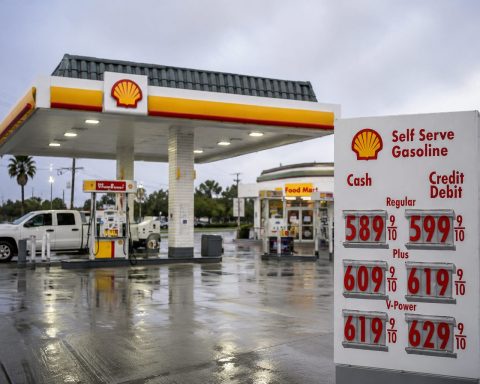
- On Wednesday, the national average for regular gasoline hit $4.536 a gallon, climbing over 30 cents compared to just a week ago.
- Crude oil tumbled after reports suggested the U.S. and Iran might be nearing a framework deal. Still, U.S. fuel inventories continued to decline.
- A fresh price shock is stirring up old arguments about oil exports, clean energy, and just how quickly a Hormuz agreement might actually hit drivers’ wallets.
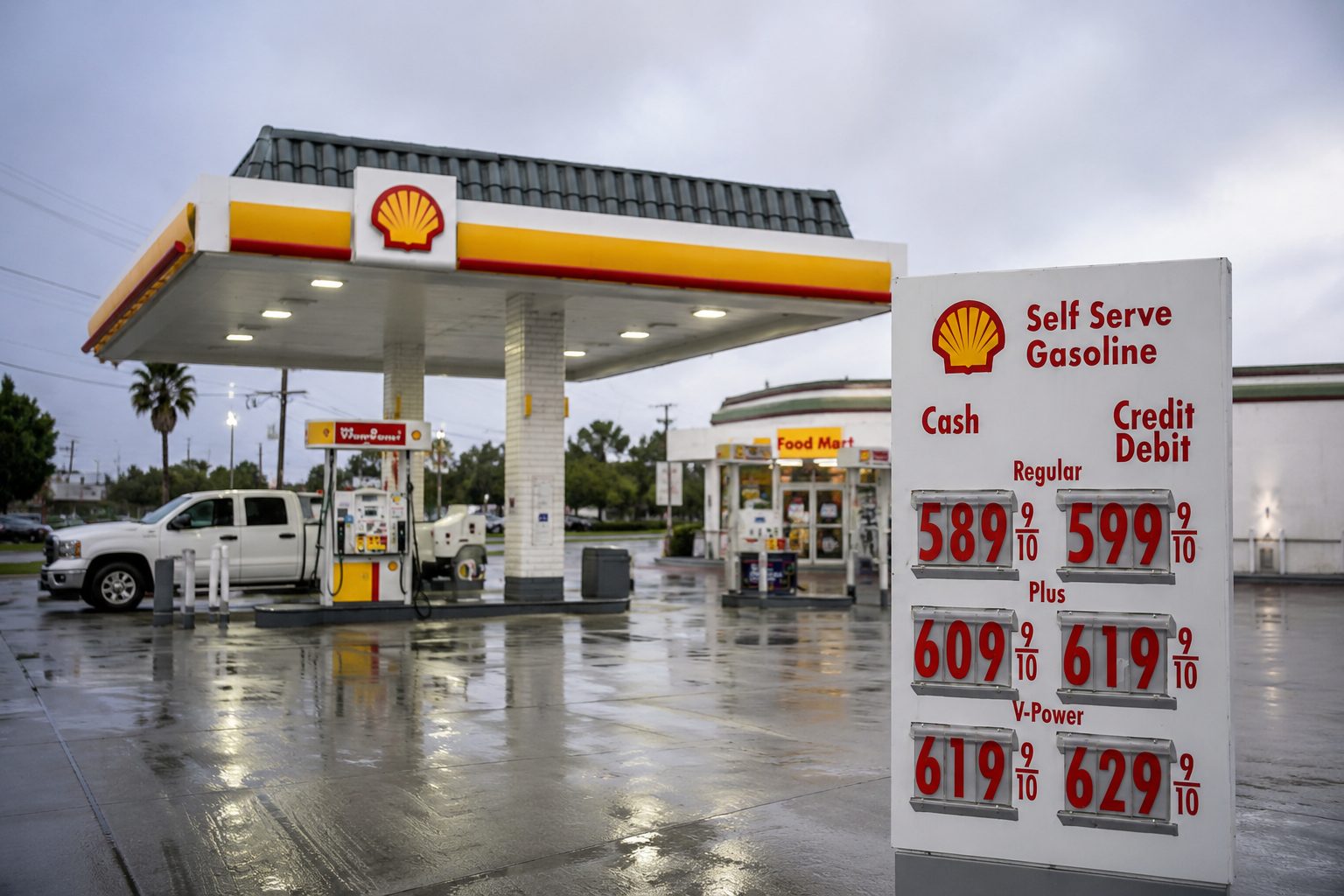
Gasoline prices in the U.S. shot up to $4.536 a gallon on Wednesday, piling more heat on President Donald Trump. That jump came just as crude oil pulled back, with traders betting Washington and Tehran might be nearing a preliminary agreement to calm the Middle East supply jolt. AAA’s figures put regular gas at $4.229 a week back and $3.158 this time last year.
Timing couldn’t be worse. With summer driving season almost here and wallets tight, gas prices have jumped quickly—enough to make a global shipping mess feel like a local hit to American budgets. The New York Fed notes in a new report that the recent fuel spike lands hardest on lower-income families: poorer drivers are now using less gasoline, but they’re paying more out of pocket.
The Strait of Hormuz—just a sliver of water, but it usually moves about 20% of the world’s oil and gas. Since the U.S.-Israeli war with Iran erupted on Feb. 28, CNN says that artery has basically been closed off. Daily, that’s a hit of 10 to 12 million barrels of crude, sending gasoline prices climbing toward highs last seen in 2022.
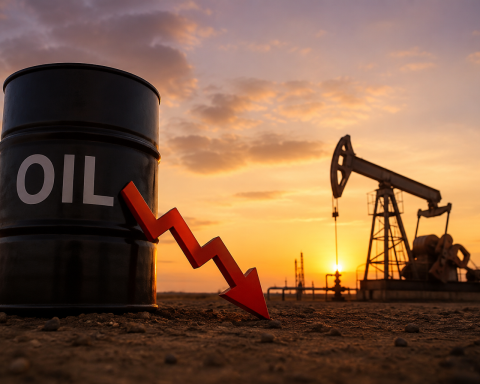
Oil prices tumbled Wednesday after a Reuters report said a Pakistani source sees the U.S. and Iran nearing a one-page memorandum of understanding aimed at an initial peace agreement. Brent crude shed 7.32%, landing at $101.83 a barrel. West Texas Intermediate lost 7% to finish at $95.11.
Futures were already slipping just on talk of a potential deal, according to Paola Rodriguez-Masiu, chief oil analyst at Rystad Energy. She pointed out the “six-to-eight-week lag” before flows normalize isn’t just a conservative guess—it’s built into the system. Simply put, tankers, insurers, and buyers aren’t likely to jump in as soon as a political agreement hits the wires. Reuters
Physical supplies are still looking tight out there. According to the U.S. Energy Information Administration, crude inventories dropped by 2.3 million barrels for the week ending May 1. Gasoline stocks also fell, down 2.5 million barrels, and distillate inventories — that’s diesel and heating oil — have hit levels not seen since 2005. “We see a continued liquidation of refined product and crude oil inventories,” said Andy Lipow, founder of Lipow Oil Associates. Reuters
That tightness has reignited debate over keeping more oil supplies in the U.S. Public Citizen, the advocacy group, said this week that Trump’s decision not to limit oil and refined-product exports was a factor pushing pump prices higher. According to EIA figures for the week ended April 24, the U.S. shipped out 14.179 million barrels per day of crude and petroleum products—6.438 million barrels of that was crude alone.
Traders latched onto hopes of an Iran deal, sending stocks like United Airlines, Carnival, and Royal Caribbean higher on Wednesday as oil prices tumbled. AP noted the Hormuz flare-up hasn’t just shaken drillers and refiners—companies with heavy fuel costs felt it too. A break in crude gives them breathing room, though don’t expect gas prices at the pump to drop right away.
The energy debate circles back to familiar ground. An MS NOW opinion piece said ramping up renewables might have cushioned Hormuz’s economic blow. Carlos Roa, writing in the Pittsburgh Post-Gazette, pointed to fossil-fuel reliance as a national security risk. The rebuttal lands hard: gasoline comes from oil, and you can’t swap in wind or solar for fuel at the pump overnight.
The longer-term case isn’t exactly outlier thinking. Kenneth Gillingham, energy economist at Yale, told PolitiFact, “solar and wind are among the most cost-effective technologies right now.” The same analysis pointed out that wind and solar made up over 14% of U.S. electricity generation in 2023. Electricity doesn’t replace gasoline, but shifting to electrification can gradually lessen reliance on oil shocks. PolitiFact
Still, gaps remain in the relief story. Patrick De Haan, an analyst at GasBuddy, told Reuters that without a reopened Strait of Hormuz, Americans are likely staring at gasoline above $4.50 a gallon this summer. The AP, quoting energy analysts, noted that even if the crisis is resolved for good, restoring normal shipping and insurance risk could drag on for months.
At the moment, it’s the gas pump—not the futures market—that matters for drivers. AAA’s national average sits under the $5.016 peak from June 2022, though that margin is shrinking fast. Where prices go next hinges more on tankers, inventories, and the fate of a shaky Iran deal than on what’s said on the campaign trail.