WASHINGTON, May 6, 2026, 16:08 (EDT)
- U.S. forces have taken the Iranian-flagged M/T Hasna out of action in the Gulf of Oman. The blockade stands.
- Tehran is looking over a U.S. offer passed along via Pakistan, with negotiators now considering a one-page framework aimed at ending the war.
- Shipping firms remain vulnerable. A CMA CGM vessel took a hit in the Strait of Hormuz; elsewhere, rivals juggle insurance, costs, and the risk to crew.
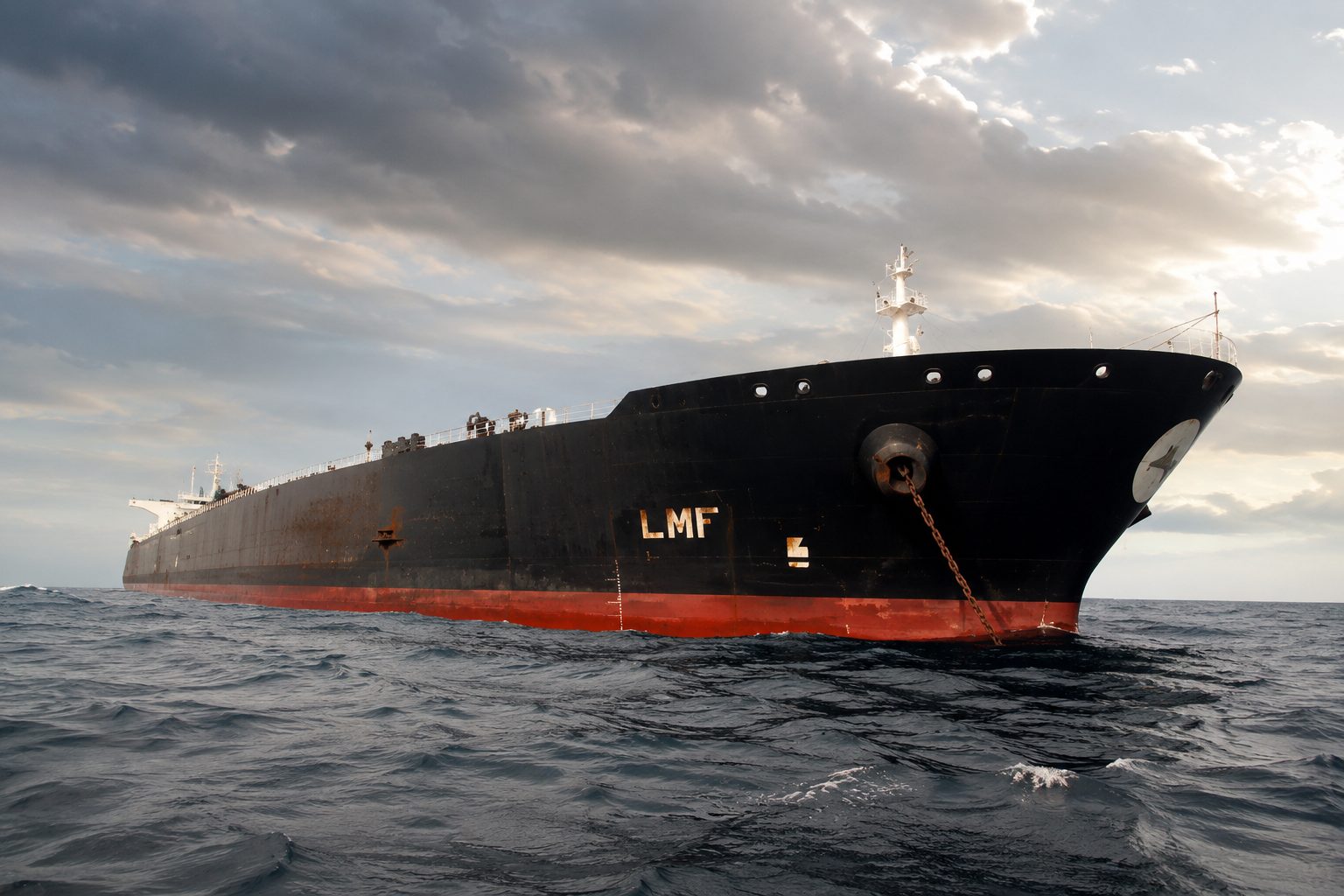
An Iranian-flagged oil tanker, the M/T Hasna, was disabled by U.S. forces in the Gulf of Oman on Wednesday as it tried to head for an Iranian port, according to U.S. Central Command. No oil was aboard—the tanker was empty. After issuing multiple warnings, a U.S. Navy F/A-18 Super Hornet strafed the vessel’s rudder with 20mm rounds, Central Command said. The incident injects fresh military tension into ongoing, fragile efforts to resolve the Iran war.
The strike has become critical as President Donald Trump pushes to leverage both battlefield gains and a naval blockade in hopes of securing a deal with Tehran. Trump said the war could wrap up and the Strait of Hormuz could be cleared for passage if Iran goes along with proposals currently on the table. But he also made it clear: if there’s no agreement, “the bombing starts” with even greater force. Reuters
Iran is weighing a fresh U.S. offer after sources indicated both sides are closing in on a short-form memorandum of understanding—a one-page document that could halt the conflict and launch more detailed negotiations. Reuters said this draft would set the stage for talks on reopening shipping lanes through Hormuz, rolling back U.S. sanctions, and limiting Iran’s nuclear work—specifically uranium enrichment, which powers reactors but, if pushed further, can yield weapons-grade material.
According to a Reuters report that referenced Axios, the draft 14-point memo would kick off a 30-day window for talks, laying out terms like a halt to Iranian enrichment, sanctions relief, unfreezing Iranian assets, and mutual moves to ease restrictions at the Strait of Hormuz. Reuters noted it couldn’t independently confirm the Axios details, and neither the White House nor the State Department had provided comment.
Tehran hasn’t agreed yet. Foreign Ministry spokesperson Esmaeil Baghaei told Iran’s ISNA news agency the U.S. proposal is still being reviewed, and Iran plans to send its response to Pakistan after finishing the assessment. According to ISNA, for now, the Iranian negotiators are only considering “termination of the war”—the nuclear issue isn’t part of discussions at this stage. ISNA
This is the core risk right now. Senior Iranian lawmaker Ebrahim Rezaei dismissed the Axios text as “more of an American wish list than a reality.” According to Reuters, the draft leaves vague the previous U.S. demands—nothing concrete on Iran’s missile program, its ties to proxy militias, or the current stockpile of highly enriched uranium. Reuters
Trump pulled the brakes on “Project Freedom”—the U.S. initiative to steer commercial ships through Hormuz—just days after its Monday rollout. The Guardian noted Secretary of State Marco Rubio’s remark that China should want Iran to keep the strait open, while Defense Secretary Pete Hegseth stated the ceasefire was still holding. The Guardian
Risks remain high for ships in the region. On Tuesday, the CMA CGM San Antonio came under attack in the Strait of Hormuz, according to Reuters, with eight crew hurt and the ship itself sustaining damage. The U.N.’s International Maritime Organization and CMA CGM confirmed details. Meanwhile, the Saigon, another CMA CGM container ship, had already cleared the Gulf.
Carrier fortunes are diverging fast. Hapag-Lloyd estimates the Hormuz shutdown is burning through roughly $60 million each week. Maersk, for its part, reported its U.S.-flagged Alliance Fairfax vehicle carrier managed to exit the Gulf with U.S. military help—no injuries, according to AP. Kaho Yu, who heads energy and resources at Verisk Maplecroft, warned that “refiners, shippers, and commodity traders will remain cautious” until there’s firmer proof disruptions are behind them. AP News
China has joined the ranks applying pressure. Foreign Minister Wang Yi, meeting his Iranian counterpart Abbas Araghchi in Beijing, voiced “deep distress” over the conflict and called for a full ceasefire. According to AP, Washington is urging Beijing to leverage its strong relationship with Tehran and help restore access to Hormuz. AP News
Europe is also on the move, but outside the scope of the U.S. mission. France’s Charles de Gaulle carrier group is sailing south of the Suez Canal, aiming for the Red Sea in what could become a joint French-British defensive operation connected to Hormuz. President Emmanuel Macron said the deployment might help rebuild confidence for shipowners and insurers.
Analysts aren’t talking settlement—they say the window is tight. “Not currently feasible,” is how Andreas Krieg at King’s College London put it to Al Jazeera, referring to any hope that Washington might solve the war, Hormuz, and the nuclear question as a single bundle. So: the tanker strike, continued blockade, and draft memo all remain in limbo, part of the same high-tension play for leverage, with the particulars to be hashed out later. Aljazeera