NEW YORK, May 6, 2026, 18:08 EDT
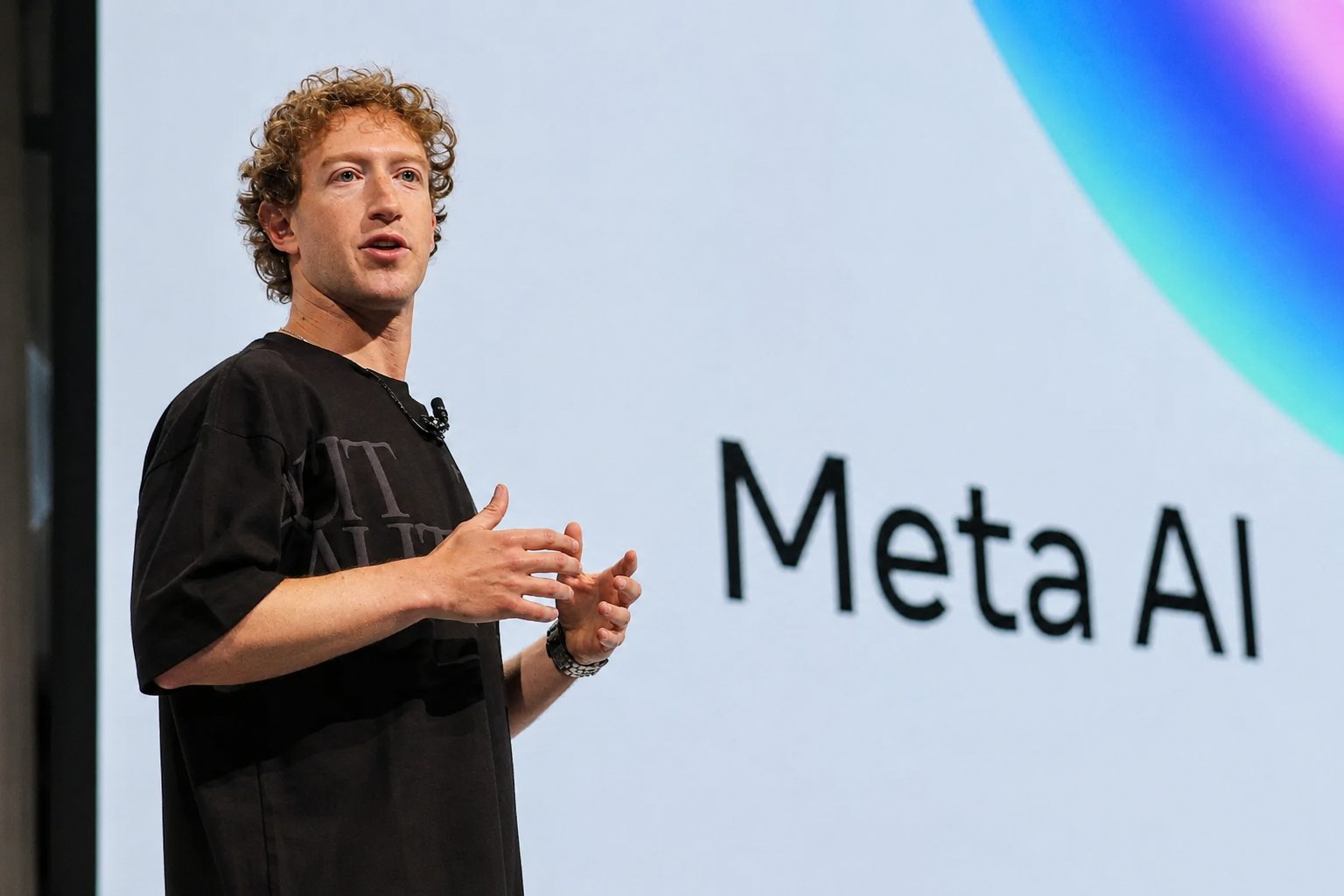
Meta Platforms and CEO Mark Zuckerberg are facing a lawsuit in Manhattan federal court from five major publishers and author Scott Turow, who allege the company used millions of copyrighted books and journal articles—without permission—to train its Llama AI language model. Plaintiffs include Elsevier, Cengage, Hachette, Macmillan, and McGraw Hill. The case, filed as a proposed class action, is seeking class status and unspecified damages.
The filing pulls big book and academic publishers further into the legal battle over footing the bill for content fueling generative AI. Llama, Meta’s large language model, is trained on vast text datasets to spit out prompt-based responses. If Meta loses, publishers could gain new leverage in licensing negotiations everywhere.
According to the complaint, Meta pulled works from pirate platforms like LibGen, Anna’s Archive, and Sci-Hub using torrenting, and also lifted content scraped from the web as it developed Llama. The filing claims Meta deleted copyright-management information—details tied to ownership and rights—to conceal where its training data came from.
Plaintiffs have named Zuckerberg himself as a defendant, claiming he “personally authorized and actively encouraged” the infringement. That phrasing ups the ante, moving this beyond a typical corporate copyright spat and linking it directly to Meta’s race to stay competitive in AI. Fortune
Cited works span everything from textbooks and scientific journals to novels—N.K. Jemisin’s “The Fifth Season” and Peter Brown’s “The Wild Robot” both make the list. The publishers’ lineup features big names: James Patterson, Donna Tartt, former President Joe Biden, and Pulitzer winners Yiyun Li and Amanda Vaill. AP News
Meta pushed back on the allegations. “Training AI on copyrighted material can qualify as fair use,” company spokesperson Dave Arnold said, adding Meta intends to “fight this lawsuit aggressively.” The fair use doctrine in the U.S. sometimes permits use of copyrighted content without authorization. The Verge
Publishers and their supporters pitched the lawsuit as a licensing battle, not just a matter of unauthorized copying. Maria A. Pallante, who heads the Association of American Publishers, argued the conduct in question “isn’t public progress.” Turow, too, charged that AI’s future relies on “stolen words.” Macmillan’s Jon Yaged slammed what he described as “unconscionable” actions, while Philip Moyer of McGraw Hill highlighted the “vibrant market” already emerging for AI licensing. AAP
Output is shaping up as a key legal battleground. Michael Goodyear, a New York Law School professor, told CBS News that copyright claims are typically strongest when plaintiffs demonstrate chatbot responses closely resemble original materials. Still, he pointed out, this particular suit zeroes in on training instead of output.
The proposed class casts a wide net. The suit targets owners holding registered copyrights for books bearing ISBNs—the industry’s go-to ID—as well as journal articles tagged with DOIs or ISSNs, both standard markers for academic and serial content. Plaintiffs allege Meta copied or shared these works via torrenting, web scraping, or as part of Llama model training. The class period starts no earlier than Oct. 1, 2022.
Still, Meta does have a defense. In a different case set for 2025, U.S. District Judge Vince Chhabria sided with Meta on fair use, basing his decision on the current record—even as he cautioned that generative AI copying protected content probably won’t be legal “in most cases” if market damage turns up. That leaves Meta an opening, but also spells out the strategy for publishers: gather proof that Llama is hurting the market for books, journals, or licensing. Justia Law
This case joins a growing docket targeting AI firms like OpenAI and Anthropic. In 2025, Anthropic settled with authors for $1.5 billion over alleged unauthorized use of their work—a figure publishers will be eyeing as pressure mounts for payouts across the sector.
Meta was last seen at $612.88, up 1.3%. That puts its market cap close to $1.57 trillion. Publishers are pushing for injunctive relief as well, demanding Meta destroy any allegedly infringing copies it controls.